
 Facebook
 X
 LinkedIn
 Forward
Two Sides of the Same Stroke: Patient and Therapist Voices on Posterior Inferior Cerebellar Artery Stroke Recovery
| Registration |
|---|
Before enrolling in this educational activity, you must log in or create an account. Once you register for the course, you will have 30 days from the date of enrollment to complete the course. The date your access expires will be indicated in the Course Summary box on this webpage. |
Target Audience
Physicians, podiatrists, physical therapists, occupational therapists, physician assistants, nurses, and other healthcare professionals involved in assessing, treating, rehabilitating, and interdisciplinary management of patients recovering from stroke.
Educational Need
According to the American Stroke Association, stroke is the fifth leading cause of death and a major contributor to long-term disability in the United States. Many clinicians are unfamiliar with the distinct types of stroke, including Posterior Inferior Cerebellar Artery (PICA) strokes, which affect balance, coordination, and vital functions because they involve the cerebellum. A PICA stroke occurs when blood flow through the PICA is interrupted, potentially damaging the cerebellum and surrounding structures.
Healthcare professionals play an important role in recognizing and managing functional impairments associated with stroke recovery, including gait abnormalities, impaired balance, muscle weakness, altered sensation, and increased fall risk. Understanding the neurological effects of PICA strokes can help clinicians identify functional limitations, recognize changes that warrant further evaluation, and collaborate across disciplines to support safe mobility and rehabilitation. This education addresses the need for greater interdisciplinary awareness of stroke-related impairments and their implications for lower-extremity function, mobility, and patient safety.
Learning Objectives
- Identify what a Posterior Inferior Cerebellar Artery (PICA) stroke is and describe its common causes.
- Explain the importance of comprehensive physical and neurological assessments in developing safe and effective rehabilitation plans.
- Describe rehabilitation techniques physical therapists use to improve balance, strength, gait, and mobility throughout recovery.
- Discuss the importance of interdisciplinary collaboration among physical therapists, physicians, podiatrists, and patients' support systems in optimizing recovery.
- Recognize the physical, emotional, and psychological challenges associated with stroke recovery and identify strategies to support patient-centered care.
- Identify lower-extremity impairments, gait abnormalities, and fall risks associated with PICA strokes and discuss the podiatrist's role in assessment, management, and interdisciplinary rehabilitation.
Speakers

Lisa Brekke, PT, DPT
Kinetic Edge Physical Therapy
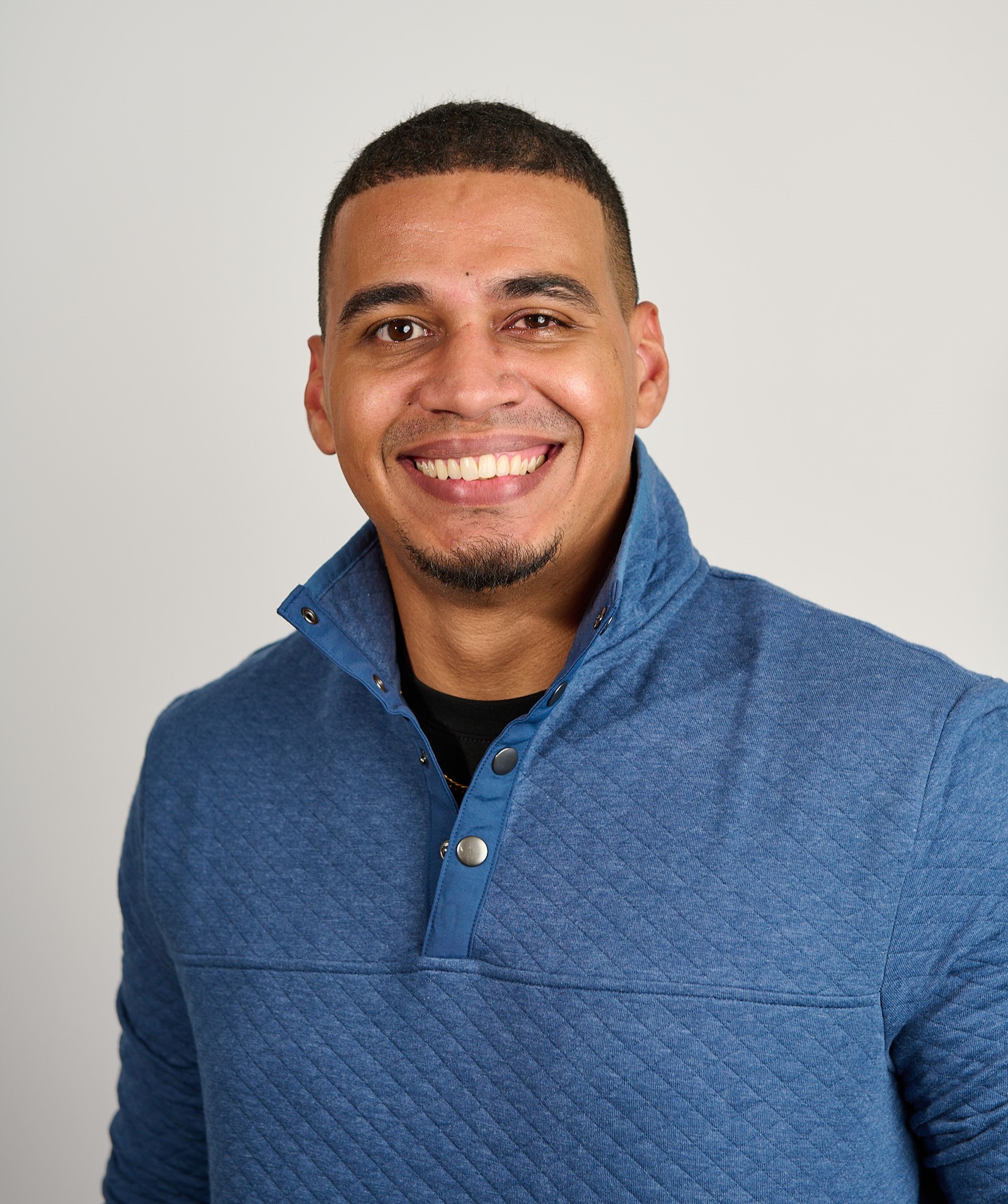
Patrick Ford, PT, DPT, OCS
PICA Stroke Survivor and Rock Valley Physical Therapy
Terms of Use and Privacy Policy
Recording date: September 4, 2025
Date of original release: September 4, 2025
Most recent review/update: September 4, 2025
Termination date: September 3, 2027
Course summary
- 1.00 AMA PRA Category 1 Credits™
- 1.00 AOA 2-B
- 1.00 CE Contact Hour(s)
- 1.00 Podiatry
- 1.00 Nursing Contact Hour(s)
Accreditation Statements
- MD: This activity has been planned and implemented in accordance with the accreditation requirements and policies of the Iowa Medical Society (IMS). Des Moines University Medicine and Health Sciences (DMU) is accredited by the IMS to provide continuing medical education for physicians. DMU designates this enduring materials activity for 1.0 AMA PRA Category 1 Credit(s)™. Physicians should claim only the credit commensurate with the extent of their participation in the activity.
- DO: Des Moines University Medicine and Health Sciences (DMU) is accredited by the American Osteopathic Association (AOA) to provide osteopathic continuing medical education for physicians. DMU designates this activity for a maximum of 1.0 AOA Category 2-B credits and will report CME and specialty credits commensurate with the extent of the physician’s participation in this activity.
- DPM: Des Moines University Medicine and Health Sciences (DMU) is approved by the Council on Podiatric Medical Education as a provider of continuing education in podiatric medicine. DMU has approved this activity for a maximum of 1.0 continuing education contact hours.
- Nurses: Des Moines University Medicine and Health Sciences has determined that this activity meets the requirements for 1.0 contact hours as defined by the Iowa Board of Nursing and Iowa Administrative Code 481-619.
- Other healthcare providers: This activity is designated for 1.0 AMA PRA Category 1 Credit(s)™.
 |  |
Educational Grants
No ineligible company provided financial support for this continuing education activity.
Disclosures
The speaker(s) will disclose if any pharmaceuticals, medical procedures, or devices discussed are investigational or unapproved for use by the U.S. Food and Drug Administration (FDA). The activity director is responsible for determining educational content and selecting speakers.
Relevant to the content of this educational activity, the following individual(s) have no conflict(s) with ineligible companies to disclose.
- Lisa Brekke, PT, DPT - Speaker
- Patrick Ford, PT, DPT, OCS - Speaker
Disclaimer
The information provided in this activity is for continuing education purposes only. It is not a substitute for a healthcare provider's independent medical judgment regarding diagnostic and treatment options for a specific patient's medical condition.
Available Credit
- 1.00 AMA PRA Category 1 Credits™
- 1.00 AOA 2-B
- 1.00 CE Contact Hour(s)
- 1.00 Podiatry
- 1.00 Nursing Contact Hour(s)