
 Facebook
 X
X LinkedIn
 Forward
Fundamentals of Motivational Interviewing
| Registration |
|---|
|
Target Audience
Health care professionals.
Description
This activity is designed to equip healthcare providers with the foundational knowledge and skills necessary to implement Motivational Interviewing (MI) techniques in clinical practice. When used effectively, MI promotes a collaborative, patient-centered approach that helps individuals identify and achieve their health goals. Through interactive education and evidence-based strategies, providers will learn how to use MI methods to foster trust, enhance communication, and guide patients toward positive behavior change.
Educational Need
Many physicians, healthcare providers, and allied health professionals receive some exposure to motivational interviewing (MI) during their training; however, that exposure is often brief, inconsistent, or not reinforced in practice. As a result, application of MI techniques varies widely, and patient–provider communication may not fully support meaningful behavior change. Patient engagement can remain limited, readiness to change may stall, and adherence to treatment plans can suffer. These challenges are especially pronounced in the management of chronic disease, preventive care, and behavior change interventions, where sustained patient motivation and skillful communication are essential.
Evidence supports the consistent use of MI strategies grounded in patient-centered principles to strengthen shared decision-making and improve outcomes. When clinicians intentionally apply MI techniques such as expressing empathy, identifying discrepancies, rolling with resistance, and supporting self-efficacy, they create a more collaborative clinical environment. Mastery of core MI skills, including open-ended questions, affirmations, reflections, and summaries, strengthens intrinsic motivation and supports meaningful goal setting.
Despite this evidence, a clear gap remains between current communication practices and optimal MI implementation. Many providers report uncertainty about how to apply MI effectively or lack confidence in using it during time-limited clinical encounters. This gap directly affects the quality of care and limits opportunities to promote sustained behavior change and improved patient outcomes.
Learning Objectives
- Discuss how MI techniques can be used effectively to improve patients' adherence to treatment plans.
- Identify and reduce provider-patient communication breakdowns, especially when lifestyle changes are involved.
- Incorporate MI to enhance interdisciplinary collaboration, as MI is often most effective when used consistently across care teams.
- Acquire the fundamental knowledge base needed to evoke positive behavior change through introductory MI and be introduced to available, more intensive training opportunities.
Speaker
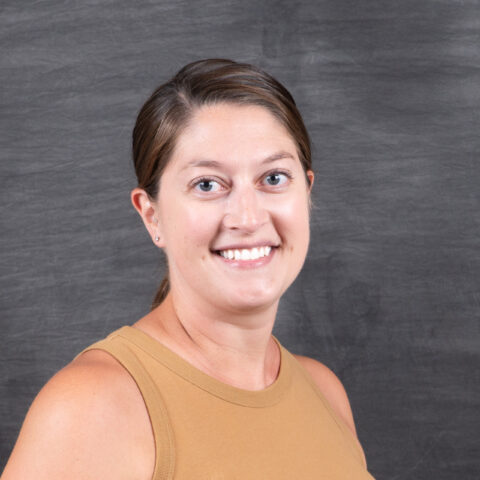
Kathryn DeShaw, PhD
Assistant Professor of Kinesiology, Loras College
Dr. DeShaw is an assistant professor in the Department of Kinesiology at Loras College. Professor DeShaw received her master’s degree in kinesiology from the University of North Dakota, followed by her doctoral degree in kinesiology from Iowa State University. Dr. DeShaw’s research focuses on physical activity and health promotion. Her previous work has investigated the effects of motivational interviewing-based health coaching, a conversational strategy, in college students to enhance their ability to make healthy decisions through goal-setting. Dr. DeShaw also has additional interest and experience in physical activity assessment methods and worksite wellness programming.
Course summary
- 1.50 AMA PRA Category 1 Credits™
- 1.50 AOA Category 2A
- 1.50 CE Contact Hour(s)
Accreditation Statements
- DO: Des Moines University Medicine and Health Sciences (DMU) is accredited by the American Osteopathic Association (AOA) to provide osteopathic continuing medical education for physicians. DMU designates this activity for a maximum of 1.5 AOA Category 2-B credits and will report CME and specialty credits commensurate with the extent of the physician’s participation in this activity.
- MD: This activity has been planned and implemented in accordance with the accreditation requirements and policies of the Iowa Medical Society (IMS) through the joint providership of Des Moines University Medicine and Health Sciences (DMU) and Iowa State University Translational Research Network. DMU is accredited by IMS to provide continuing medical education for physicians. DMU designates this enduring materials activity for a maximum of 1.5 AMA PRA Category 1 Credit(s)TM. Physicians should claim only the credit commensurate with the extent of their participation in the activity.
- Other healthcare professionals: This activity is designated for 1.5 AMA PRA Category 1 Credit(s)TM.
 |  |
Educational Grants
No ineligible company provided financial support for this continuing education activity.
Disclosures
The speaker(s) will disclose if any pharmaceuticals, medical procedures, or devices discussed are investigational or unapproved for use by the U.S. Food and Drug Administration (FDA). The activity director is responsible for determining educational content and selecting speakers.
Relevant to the content of this educational activity, the following individual(s) have no conflict(s) with ineligible companies to disclose.
- Abbie Coniglio, MS – Activity Coordinator and Planning Committee Member
- Kathryn DeShaw, PhD – Speaker
- Colleen Schwartz, DPM – Planning Committee Member
- Greg Welk, PhD – Activity Director and Planning Committee Member
Disclaimer
The information provided in this activity is for continuing education purposes only. It is not a substitute for a healthcare provider's independent medical judgment regarding diagnostic and treatment options for a specific patient's medical condition.
Available Credit
- 1.50 AMA PRA Category 1 Credits™
- 1.50 AOA Category 2A
- 1.50 CE Contact Hour(s)