
 Facebook
 X
X LinkedIn
 Forward
Driving Difficult Conversations
| Registration |
|---|
|
Description
When people's problems arise at work, we have choices. We can manage troublesome situations the way many people do: ignore them. Or we can make a conscious choice to confront issues, even when they are complicated, difficult, and push us out of our comfort zone. In this course, we will show you how to conduct a difficult conversation that leads to improved relationships and increased productivity. You will leave the session with a better understanding of yourself and others and increased confidence when holding a difficult conversation.
Learning Objectives
- Identify common “difficult conversations.”
- Use emotional intelligence to respond during difficult conversations
- Prepare to have a difficult conversation
- Use a three-step model to conduct an effective difficult conversation
- Recognize and address potential obstacles that may occur when having a difficult conversation
Conversation Considerations
In this workplace training course, we introduce you to tips and techniques that enable more effective dialogue. We start by identifying their goals, then reflect on the other person’s perspective. From there, we initiate the conversation positively using emotional intelligence.
Practice Real-Life Workplace Conflict Scenarios
During this training, we will explore real-life scenarios and practice using conflict-resolution strategies unique to Driving Difficult Conversations. This allows your team to focus on the future while recognizing and addressing potential obstacles that may arise during a difficult conversation.
Speaker

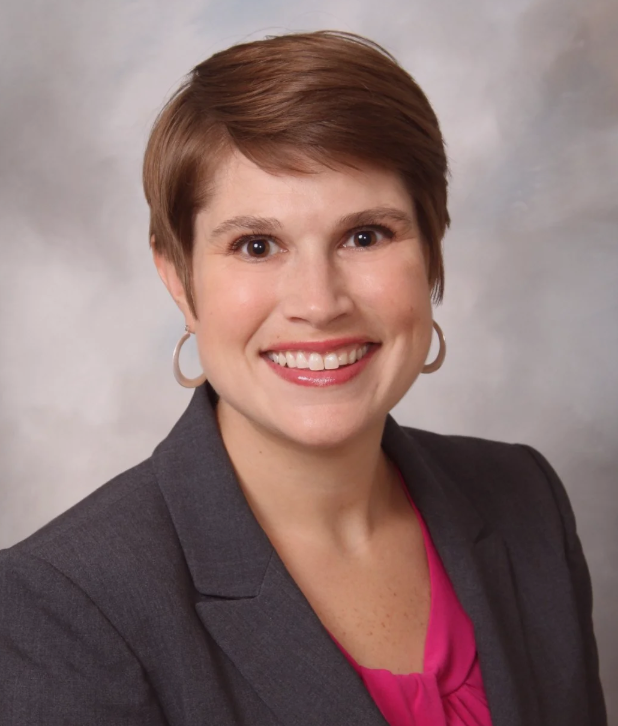
Libby Roberts
Libby joined ATW in 2016 after nearly 10 years in banking, where she started in customer service and later moved into management and talent development. She earned her bachelor’s degree from Simpson College and holds a master’s degree in Adult Learning and Organizational Performance from Drake University. Libby’s passion is people, and she strives to create an environment where all participants are welcomed, engaged, and challenged to move out of their comfort zones. Libby integrates instructional design, program development, and relationship building into her role as Training Manager.
Course summary
- 3.00 AMA PRA Category 1 Credits™
- 3.00 AOA Category 2A
- 3.00 CE Contact Hour(s)
- 3.00 Podiatry
Accreditation Statements
- DO: Des Moines University Medicine and Health Sciences (DMU) is accredited by the American Osteopathic Association (AOA) to provide osteopathic continuing medical education for physicians. DMU designates this activity for a maximum of 3.0 AOA Category 2-A credits and will report CME and specialty credits commensurate with the extent of the physician’s participation in this activity.
- DPM: Des Moines University Medicine and Health Sciences (DMU) is approved by the Council on Podiatric Medical Education as a provider of continuing education in podiatric medicine. DMU has approved this activity for a maximum of 3.0 continuing education contact hours.
- MD: This activity has been planned and implemented in accordance with the accreditation requirements and policies of the Iowa Medical Society (IMS). Des Moines University Medicine and Health Sciences (DMU) is accredited by the IMS to provide continuing medical education for physicians. DMU designates this live activity for 3.0 AMA PRA Category 1 Credit(s)™. Physicians should claim only the credit commensurate with the extent of their participation in the activity.
- Other healthcare providers: This activity is designated for 3.0 AMA PRA Category 1 Credit(s)™.
 |  |
Educational Grants
No ineligible company provided financial support for this continuing education activity.
DISCLOSURE
The speaker(s) will disclose if any pharmaceuticals, medical procedures, or devices discussed are investigational or unapproved for use by the U.S. Food and Drug Administration (FDA). The activity director is responsible for determining educational content and selecting speakers.
Relevant to the content of this educational activity, the following individual(s) have no conflict(s) with ineligible companies to disclose.
- Libby Roberts - Speaker
DISCLAIMER
The information provided in this activity is for continuing education purposes only. It is not a substitute for a healthcare provider's independent medical judgment regarding diagnostic and treatment options for a specific patient's medical condition.
Available Credit
- 3.00 AMA PRA Category 1 Credits™
- 3.00 AOA Category 2A
- 3.00 CE Contact Hour(s)
- 3.00 Podiatry
Price
This is a closed course, and registrations are not being accepted.