
 Facebook
 X
X LinkedIn
 Forward
Iowa Vestibular Symposium
Registration |
|---|
The cost to attend is the same for both options and includes access to the pre-conference lecture. During the registration process, you will select your preferred attendance option. Cost
Before enrolling in this educational activity, you must log in or create an account. Once logged in, please select the "REGISTER" tab to process your payment and complete your registration. |
Target Audience
All healthcare professionals working with individuals with central or peripheral vestibular disorders are invited to attend. This includes providers who are seeing patients who complain of dizziness, imbalance, and vertigo, and are seeking improved referral options, as well as providers who regularly treat these individuals. Advanced education on vestibular conditions is not a prerequisite.
Purpose
This interdisciplinary symposium fosters collaboration among healthcare professionals across multiple disciplines to enhance the understanding, diagnosis, and treatment of central and peripheral vestibular disorders. By bringing together experts in physical therapy, speech therapy, mental health therapy, pain management, and otolaryngology, the conference aims to advance interdisciplinary care for patients dealing with conditions like concussions, benign paroxysmal positional vertigo, vestibular migraines, and stroke. Through comprehensive education, hands-on experience, and networking, this conference equips attendees with the tools to provide improved, patient-centered care.
Pre-Symposium Lecture
All learners will have access to a 90-minute pre-symposium lecture before participating in the symposium. This content will be available by December 1, 2025, and will remain accessible through June 30, 2026. Viewing this lecture is optional, and participants who complete it will receive an additional 1.25 continuing education credits.
Agenda
All times listed are in Central Time. The agenda is subject to change.
| Saturday, January 17, 2026 | |
|---|---|
| 7:30 am | Registration and Breakfast |
| 8:15 am | Welcome |
| 8:30 am | Keynote Address - From Clinic to Case Study: Advancing Collaboration in Vestibular Care Kirsten Radke, PT, DPT, Core Physical Therapy
|
| 9:15 am | Hands-On Approach to Peripheral Vestibular Exam and Treatment Lisa Brekke, PT, DPT, Kinetic Edge Physical Therapy
|
| 11:45 am | Question and Answer Session Lisa Brekke, PT, DPT, Kinetic Edge Physical Therapy |
| 12:15 pm | Lunch |
| 12:30 pm | Speed Networking - Small Groups |
| 1:00 pm | Advancing Concussion Rehabilitation Through Collaborative Care Rebecca Bliss, PT, DPT, DHSc, University of Kansas Medical Center
|
| 4:00 pm | Break |
| 4:15 pm | Advancing Concussion Rehabilitation Through Collaborative Care (Continued) |
| 5:15 pm | Question and Answer Session |
| 6:15 pm | Adjourn |
| 6:45 pm | Social Gathering SingleSpeed Brewing |
| Sunday, January 18, 2026 | |
|---|---|
| 7:30 am | Registration and Breakfast |
| 8:20 am | Welcome |
| 8:30 am | Functional Vision Skills for PT Providers: Recognizing and Rehabilitating Visual Breakdowns Heidi Bell, OD, FAAO, FOVDR, Elite Eye Care and Elite Vision Therapy
|
| 11:00 am | Break |
| 11:15 am | Panel Question and Answer - Seeing the Whole Picture: Reflections on Brain, Balance, and Vision Integration Heidi Bell, OD, FAAO, FOVDR, Elite Eye Care and Elite Vision Therapy |
| 12:30 pm | Lunch |
| 12:45 pm | Functional Neurological Disorders from Neuroscience to Treatment Julie Hershberg, PT, DPT, NCS, re+active
|
| 3:15 pm | Break |
| 3:30 pm | Functional Neurological Disorders from Neuroscience to Treatment (Continued) |
| 4:30 pm | From Clinical to Case Study: Case Progressions and Cranial Connections Kirsten Radke, PT, DPT, Core Physical Therapy
|
| 5:30 pm | Question and Answer Session |
| 6:00 pm | Adjourn |
Course summary
- 18.00 AMA PRA Category 1 Credits™
- 18.00 AOA Category 2A
- 18.00 CE Contact Hour(s)
- 18.00 Athletic Trainer

Putting Des Moines University into Google Maps (or an alternative app) will take you to the wrong location.
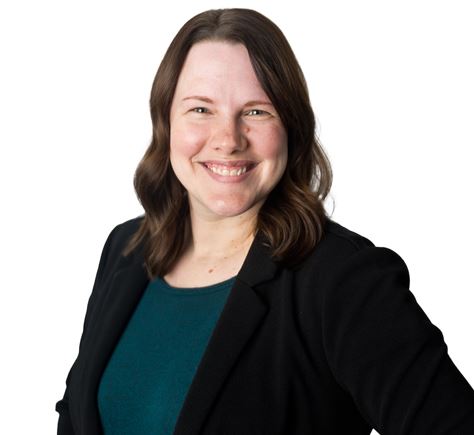
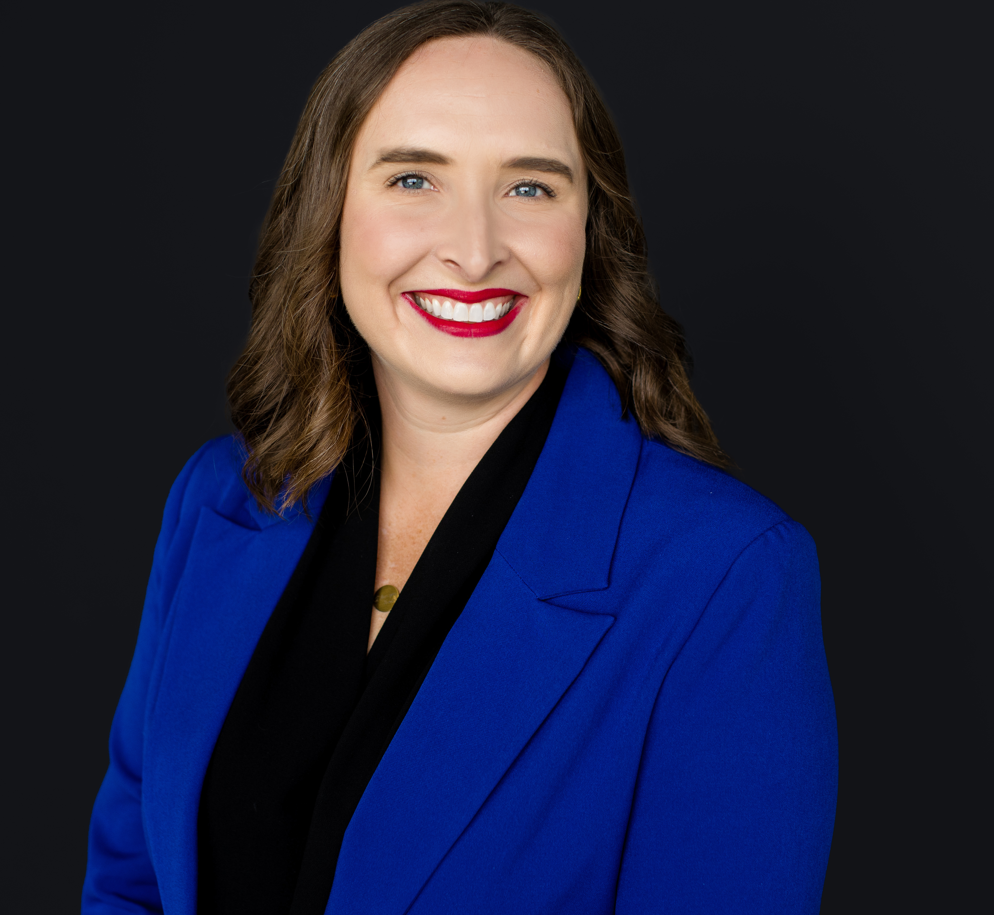
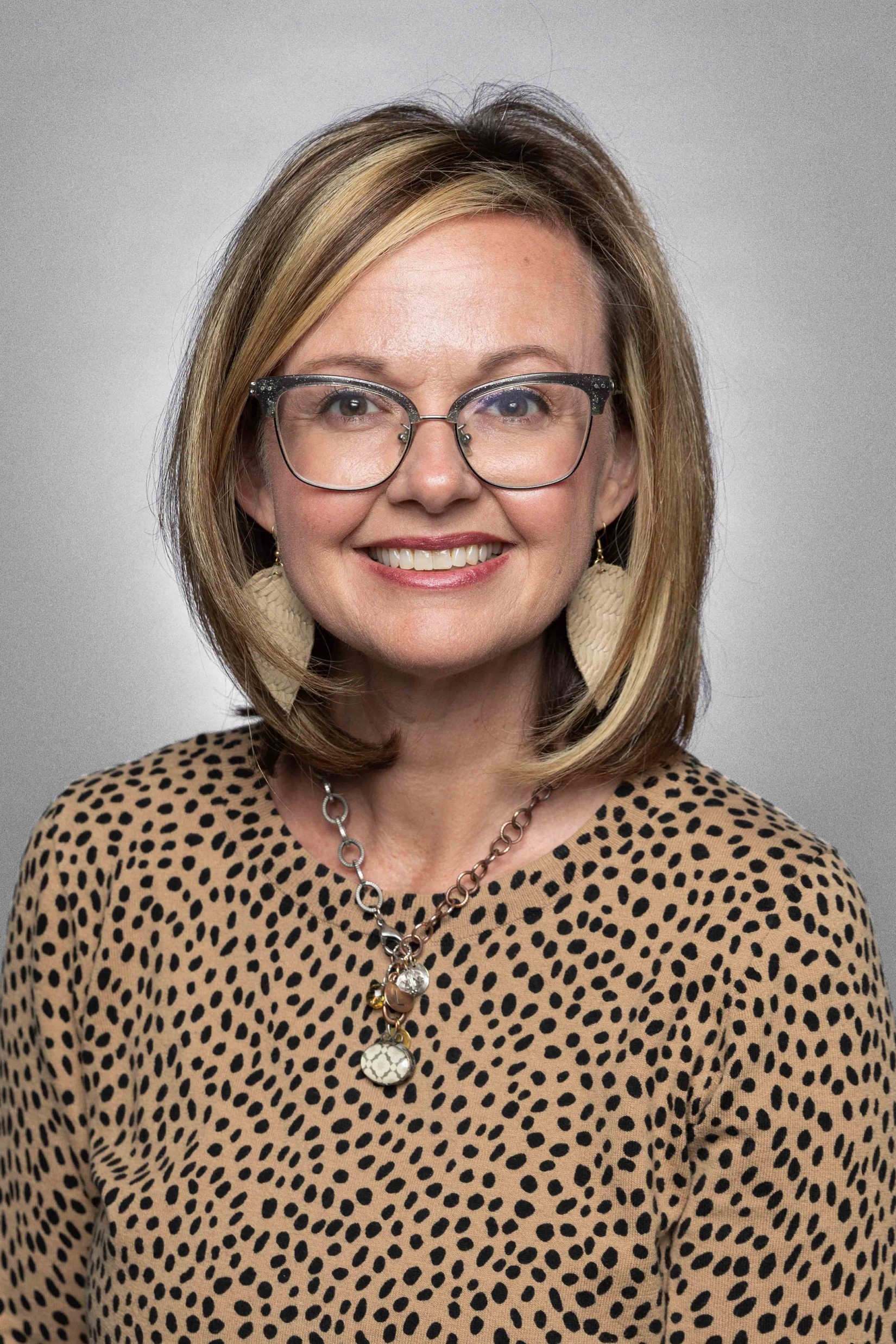
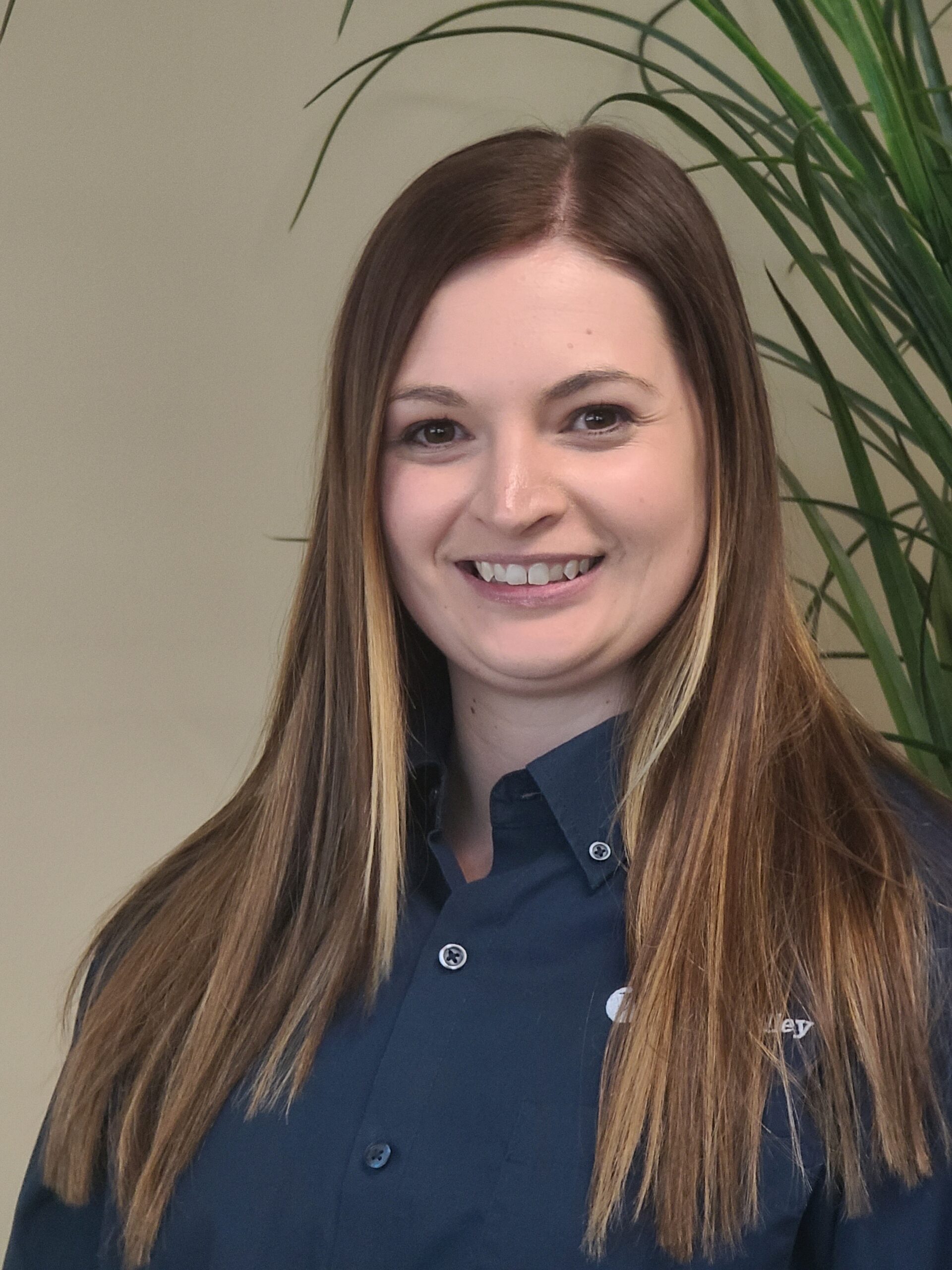
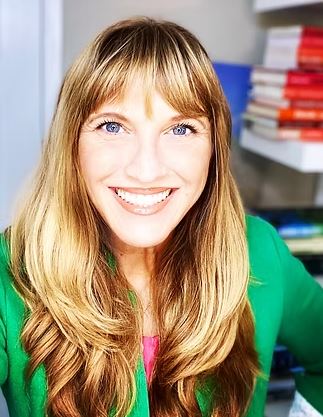
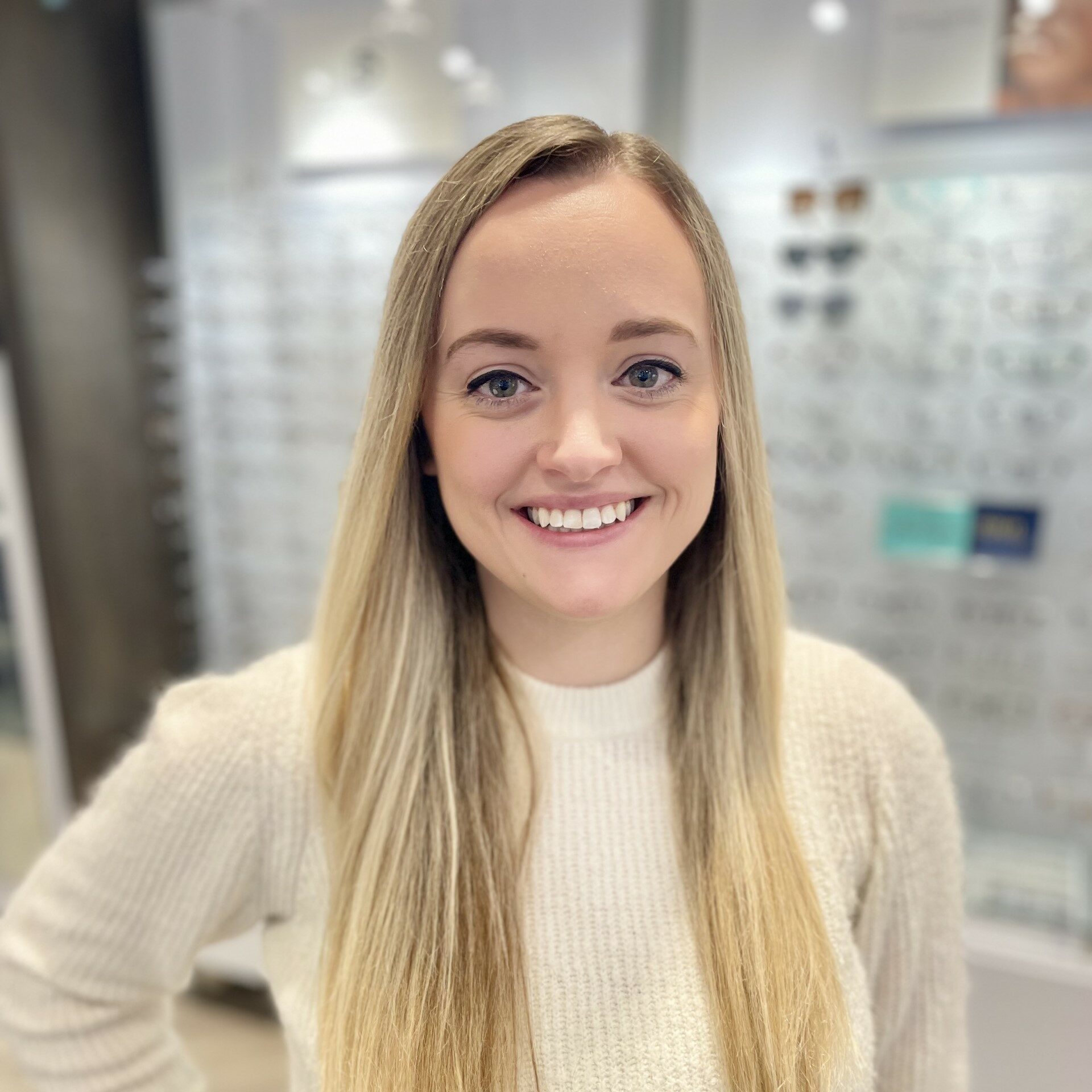
LISA BREKKE, PT, DPT |
KIRSTEN RADKE, PT, DPT |
HEIDI BELL, OD, FAAO, FOVDR |
REBECCA BLISS, PT, DPT, DHSc |
NICOLLE CABALKA, PT, DPT |
JULIE HERSHBERG, PT, DPT, NCS |
SARA MOHR, COVT |
|
|

Accreditation Statements
- Athletic trainer: Des Moines University Medicine and Health Sciences (BOC AP#: P509) is approved by the Board of Certification, Inc. to provide continuing education to Athletic Trainers (ATs). This program is eligible for a maximum of 18.0 Category A hours/CEUs. ATs should claim only those hours actually spent in the educational program.
- DO: Des Moines University Medicine and Health Sciences (DMU) is accredited by the American Osteopathic Association (AOA) to provide osteopathic continuing medical education for physicians. DMU designates this activity for a maximum of 18.0 AOA Category 2-A credits and will report CME and specialty credits commensurate with the extent of the physician’s participation in this activity.
- MD: This activity has been planned and implemented in accordance with the accreditation requirements and policies of the Iowa Medical Society (IMS) through the joint providership of Des Moines University Medicine and Health Sciences (DMU) and Brekke Rehab Consulting, PLLC. DMU designates this live activity for 18.0 AMA PRA Category 1 Credit(s)™. Physicians should claim only the credit commensurate with the extent of their participation in the activity.
- Other healthcare providers: This activity is designated for 18.0 AMA PRA Category 1 Credit(s)™.
 |  |
Educational Grants
No ineligible company provided financial support for this continuing education activity.
Disclosures
The speaker(s) will disclose if any pharmaceuticals, medical procedures, or devices discussed are investigational or unapproved for use by the U.S. Food and Drug Administration (FDA). The activity directors are responsible for determining educational content and selecting speakers.
Relevant to the content of this educational activity, the following individual(s) have no conflict(s) with ineligible companies to disclose.
- Rebecca Bliss, PT, DPT, DHSc - Speaker
- Lisa Brekke, PT, DPT - Activity Director and Speaker
- Nicolle Cabalka, PT, DPT - Speaker
- Vanessa Gray, DHA, MHA, CHCP - Planning Committee Member
- Julie Hershberg, PT, DPT, NCS - Speaker
- Sara Mohr, COVT - Speaker
- Kirsten Radke, PT, DPT - Activity Director and Speaker
- Paula Secker-Johnston - Planning Committee Member
Relevant to the content of this educational activity, the following individual(s) have conflict(s) with ineligible companies to disclose. All relevant financial relationships have been mitigated through peer review by individuals with no relevant financial relationships or through attestation to evidence-based clinical guidelines.
- Heidi Bell, OD, FAAO, FOVDR - Speaker
- Speaker's Bureau: CooperVision CAST, Vision Service Plan
- The financial relationships have not ended; however, they are not relevant to the content of the education activity.
Disclaimer
The information provided in this activity is for continuing education purposes only. It is not a substitute for a healthcare provider's independent medical judgment regarding diagnostic and treatment options for a specific patient's medical condition.
Available Credit
- 18.00 AMA PRA Category 1 Credits™
- 18.00 AOA Category 2A
- 18.00 CE Contact Hour(s)
- 18.00 Athletic Trainer
SPONSORS
Thank you to our sponsors. We value their support, which facilitates a high-quality educational experience. Click the organization's logo to visit their website.
Gold Sponsor

Silver Sponsor
 |  | ||
Bronze Sponsors
 |  |
 | |
Bronze Sponsors - Pharmaceutical / Device Support |
Price
CANCELLATION POLICY
- All cancellations must be received in writing at [email protected].
- A nonrefundable administrative fee of $50 will be charged for all cancellations.
- No refunds will be given after December 29, 2025.
- Canceled registrations can be transferred to another individual for the same activity.
- Individuals who fail to attend the activity (no-shows) will not receive any refund. Forfeited fees may not be applied to any other activity.